Understanding the fundamentals of sewing is crucial for anyone interested in crafting garments or home decor. Basic sewing lessons empower individuals with the skills and confidence to bring their creative visions to life. Whether you're a complete novice or someone looking to refine your sewing techniques, these lessons provide a solid foundation for your sewing journey. For those eager to start, about what essential elements you should know before diving into this rewarding hobby.
This article will explore the nature of basic sewing lessons, what they cover, how to find the right classes, and the costs involved. By arming yourself with the right information, you can set yourself up for success as you embark on your sewing adventures learn more.
Steps to Prepare for Your Sewing Lessons
- Identify your sewing goals: Determine what type of sewing you want to learn—garments, home decor, or crafts—and seek classes that match your interests.
- Research local classes: Use search terms like “sewing classes near me” to find options within your area. Check reviews and class structures to find the best fit.
- Evaluate your budget: Understand the class fees, materials needed, and any additional costs. This will help you plan your finances effectively before starting your sewing journey.
- Get equipped: Invest in a starter sewing machine if you don't have one. Familiarize yourself with basic sewing tools and notions that may be needed for projects, like fabric, scissors, pins, and threads.
- Practice at home: Before attending your classes, practice threading your sewing machine and making basic stitches to increase your comfort level.
- Engage actively: Once you join a class, actively participate, ask questions, and collaborate with peers. Hands-on experience is the best way to learn.
Understanding Basic Sewing Lessons
Basic sewing lessons typically cover the fundamental skills required to sew effectively. These classes introduce participants to various tools and materials, teaching them how to operate a sewing machine safely and efficiently. Participants will learn about types of fabrics, stitching techniques, and essential sewing terms. Additionally, lessons often focus on simple projects, allowing students to practice and apply what they have learned. A well-structured course gradually builds confidence, leading participants from basic techniques to more complex sewing projects.
Skill Development and Project Focus
As students progress, they can expect to tackle increasingly challenging projects. This method not only builds skills but also enhances creativity. For instance, students might begin with simple items like pillows or tote bags before moving up to clothing or more intricate home decor projects. Hands-on experience is critical; therefore, a good sewing class emphasizes practice. Instructors often provide guidance on troubleshooting common sewing issues, which is invaluable for beginners. Moreover, students are encouraged to collaborate, share, and support one another, fostering a community of learners.
Choosing the Right Sewing Course for You
The process of finding suitable sewing lessons can tremendously enhance your educational experience. To start, pinpoint your aspirations; are you interested in crafting clothing, quilts, or perhaps creative projects? This clarity will enable you to focus on classes that best match your preferences. You might explore searches like “sewing classes in my vicinity” or “beginner sewing courses nearby” to find local options. A variety of places, including sewing studios and community centers, offer basic classes. In addition to in-person options, pay attention to digital resources. Online sewing courses have surged in popularity, providing the convenience and flexibility to learn at your own pace. Platforms such as Skillshare and Udemy present courses covering a wide range of sewing techniques.
Moreover, it’s advantageous to investigate reviews and seek recommendations. Looking into “sewing machine reviews” or student testimonials about specific classes can greatly influence your decision-making. Many local sewing schools and studios feature social media pages that showcase results from previous classes, which can serve as a useful guide when selecting your ideal sewing course.
The Cost of Sewing Lessons
Understanding the financial aspects of sewing courses is crucial when making your choice. Costs can differ significantly based on factors such as your geographical area, the expertise of the instructor, and the length of the sessions. Typically, you might encounter basic sewing classes ranging from $30 to $100 for each session, while multi-session workshops often come with discounted pricing. For those searching for local options, phrases like 'sewing classes near me for adults' or 'children's sewing classes near me' can direct you to various price points tailored for different ages and skill levels.
Moreover, take the time to compare material costs since some classes provide fabric and tools, while others may expect participants to bring their own supplies. Being aware of the total financial commitment will assist you in managing your budget effectively. If you are conscious of spending, many community organizations and local craft shops introduce beginner lessons at more affordable rates or even offer complimentary sessions, which enhance accessibility to sewing.
To expand your knowledge, check out the detailed resource on sewing to broaden your understanding of this versatile craft.
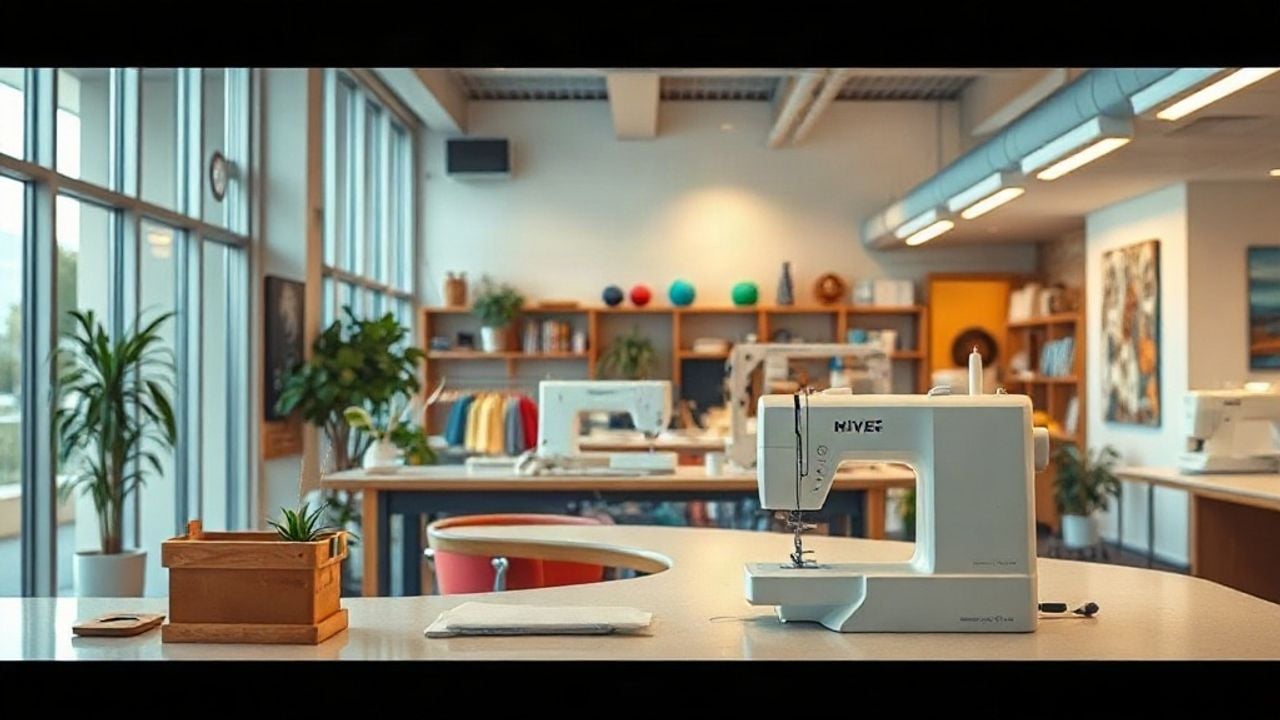 sewing basicssewing basics guide
Frequently asked questions
What are basic sewing lessons?
Basic sewing lessons teach essential sewing skills, focusing on operating sewing machines, understanding fabrics, and completing simple sewing projects.
How do I choose a basic sewing lessons provider?
Look for classes that align with your goals and interests. Check reviews, instructor qualifications, and course structures to find a suitable provider.
How much do basic sewing lessons cost?
Costs for basic sewing lessons can range from $30 to $100 per session, depending on location and the course provided. Be sure to consider potential material costs.
Delving into basic sewing lessons can be a rewarding journey to tap into your creativity while mastering essential techniques. By checking out various educational avenues and dedicating time to refine your skills, anyone can enhance their sewing proficiency. As you build your self-assurance, you'll find it easier to take on more complex projects and truly enjoy the art of sewing.
Whether your motivation is crafting for enjoyment or producing sellable items, establishing a firm foundation through reliable lessons is crucial for a successful sewing adventure.
When assessing basic sewing lessons, prioritize concrete results, clear communication, and whether the teaching style aligns with your specific goals and deadlines. Be wary of ambiguous claims that lack a comprehensive assessment strategy.
Inquire about how your growth is measured, what will be included versus what is optional, and how the instructor adapts their methodology when progress appears to stall. Having a written agreement prior to payment safeguards the interests of both parties.